
Digital Education empowers those living with a disability to remain independent, remain socially connected, and remain intellectually stimulated. Face to Face technology lessons, tailored to the individual.
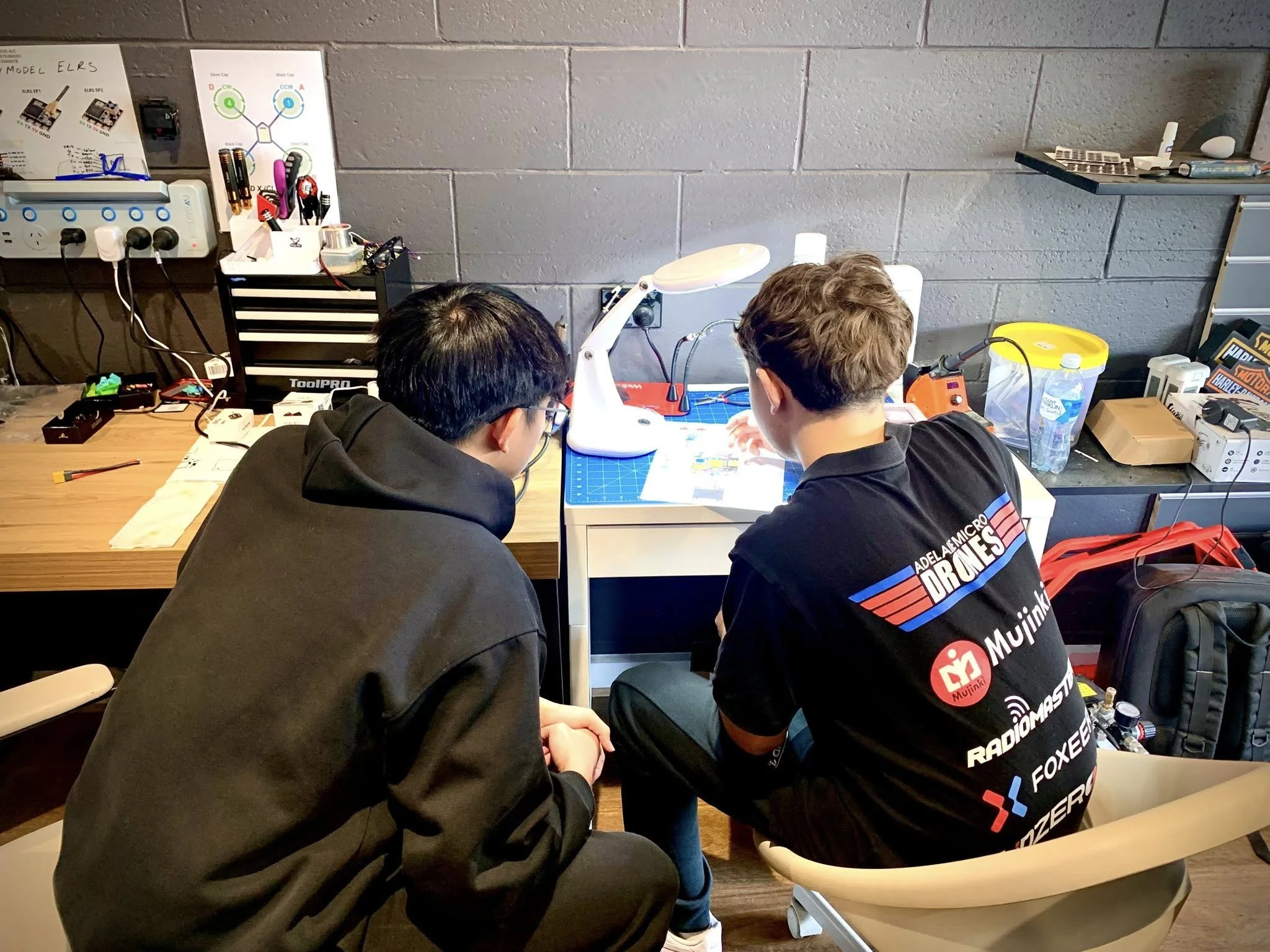
Drone Building
Drone building and modification for disability involves customizing drone technology, controls, and software to make piloting accessible, empowering individuals with mobility, dexterity, or cognitive impairments. Key aspects include using adaptive controllers, 3D-printed custom interfaces, and specialized software to enhance independence, provide therapeutic experiences, and open career pathways in technology.
Key Benefits
Skill Development & Training: Programs focus on the technical, practical, and legal aspects of drone technology. Participants can learn to build, code, and pilot drones, offering skills for future employment.
Targeted Support: It is specifically designed to assist individuals with disabilities—including those with limited mobility, dexterity impairment, cerebral palsy, or muscular dystrophy—to engage in technology-driven hobbies.
Innovative Community Participation: Drone building allowis participants to engage in unique, non-traditional activities that build community connections.
Mental & Physical Well-being: The hobby aids in improving dexterity, cognitive abilities, and provides a sense of achievement and social interaction.
3D Printing
3D printing education for uses additive manufacturing to create customized tactile learning tools, accessible materials, and bespoke assistive technology. This technology enhances education for people with vision, cognitive, or physical impairments, improving spatial understanding, engagement, and independence.
Benefits
Accessible Education Tools: 3D printed models help students with vision impairment grasp complex concepts (e.g., anatomy, architecture) through touch.
Improved Learning Engagement: Using 3D printing in education has been shown to increase student motivation, participation, and attendance.
Enhanced Sensory & Cognitive Support: Tactile, 3D-printed symbols can assist in teaching core communication skills (e.g., 'go', 'want') to people with severe cognitive or visual impairments.
Independent Living & Skill Building: Training in 3D printing can be considered a skill-building activity, empowering individuals with disabilities to design and create their own, personalized tools.